
Kasetsart University Sriracha CampusWeb application
KU DMS
An internal system that routes documents for approval, tracks project budgets against the documents that spend them, and lets staff design the forms and documents themselves.
Web development studio — Thailand
Web apps · APIs · MVPs — from idea to production
Compax Tech is a small senior team. You get a written scope before anyone writes code, a working URL every week, and the whole thing handed over at the end — no lock-in.
Not a menu to browse. We build the software layer a business runs on, design it before it is built, and test it — including trying to break it — before your customers do.
The surface your customers use — a site or an app that stays fast as the content and the traffic grow.
One codebase, both stores — an app that behaves like it belongs on the phone rather than a website in a frame.
A suite that catches the regression before your customer does, on the paths that actually cost you money.
We attack the system the way someone else eventually will, then hand you the findings ranked by what each one would actually cost.
Flows and screens agreed before anyone writes code, in a file a developer can build straight from.
The smallest version that proves the idea, built so version two is not a rewrite.
A list is easy to write. The systems we have shipped are right below.
Built, handed over, and running on infrastructure the client owns.
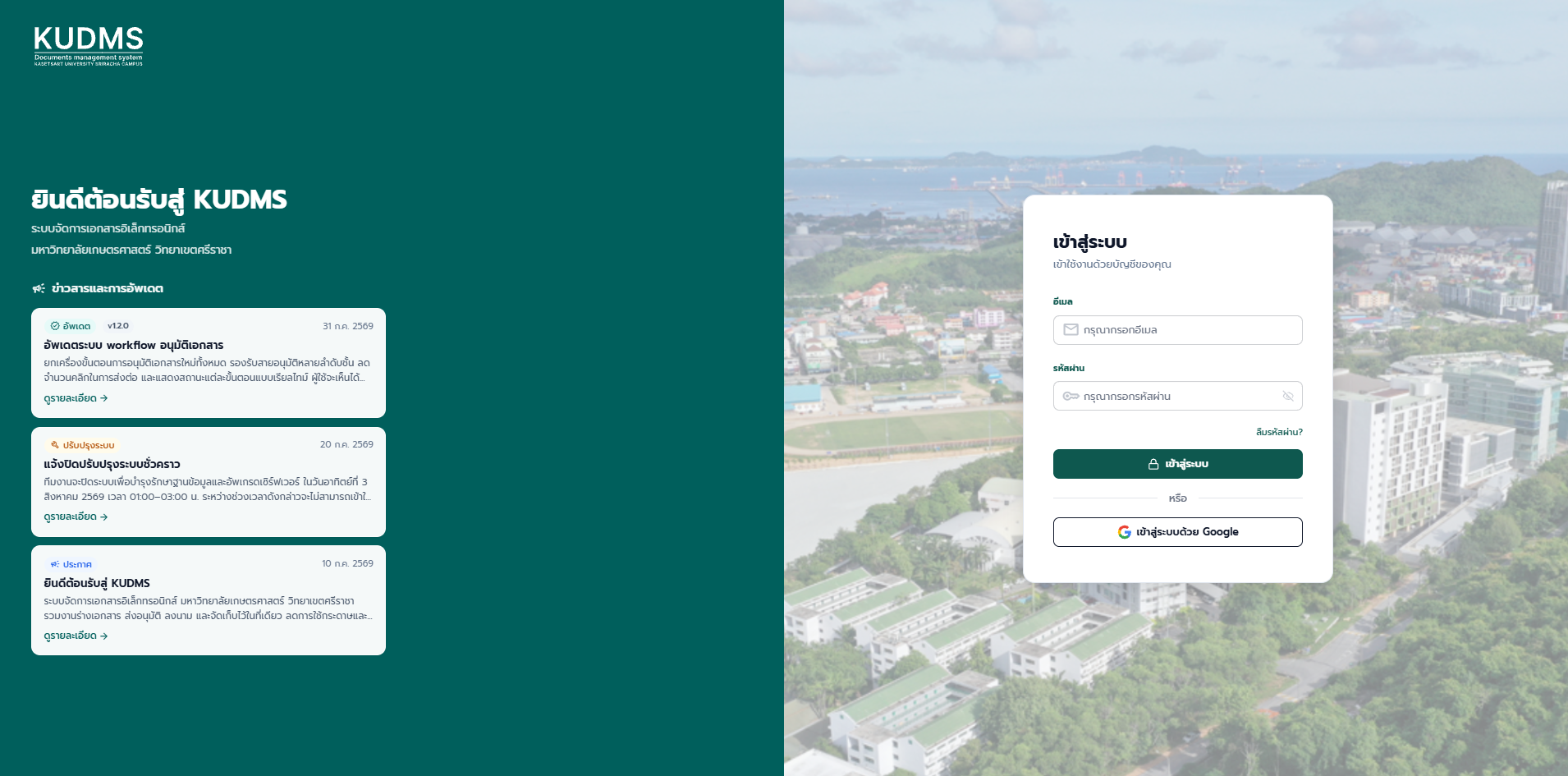
Kasetsart University Sriracha CampusWeb application
An internal system that routes documents for approval, tracks project budgets against the documents that spend them, and lets staff design the forms and documents themselves.
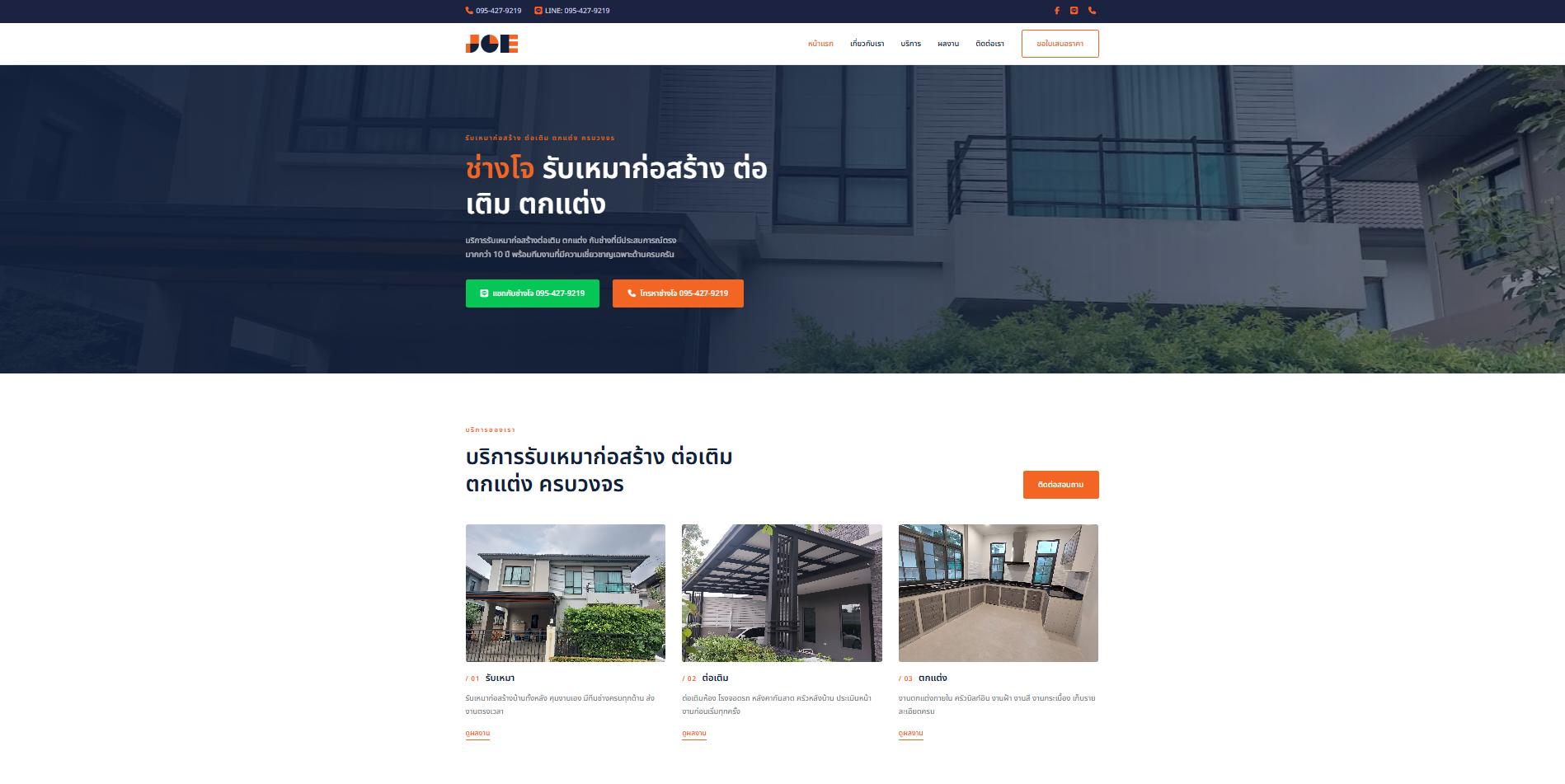
Chang Joe — construction, extensions and fit-outMarketing site
A single-page site for a Bangkok contractor with more than ten years of work behind it and nowhere to show it.
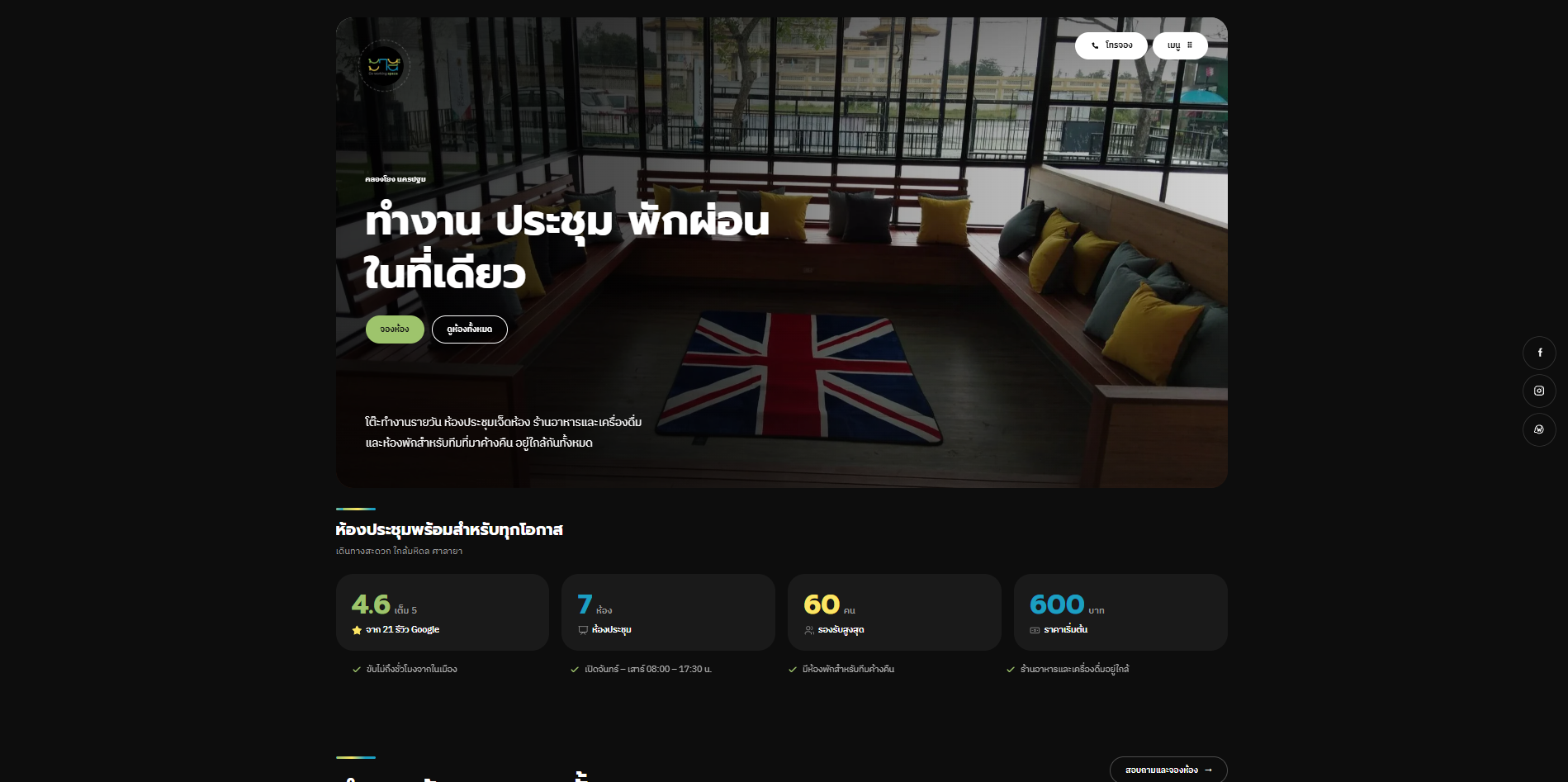
Manamanee CoworkingMarketing site
A single-page site for a coworking space, seven meeting rooms, a restaurant and overnight rooms outside Bangkok.
The same sequence on every project. You always know which step you are in and what arrives at the end of it.
Step 01
One call to understand the business, then a written scope: what ships, what is deliberately out, what it costs. You approve it before anyone writes code.
OutputWritten scope + estimate
Step 02
Screens and states before the backend exists, so decisions get made on something you can see rather than a description of it.
OutputClickable UI
Step 03
Short cycles against the scope. You get a working URL every week, not a status report — changes land while they are still cheap.
OutputWeekly working build
Step 04
Deployed in your accounts, with the repository, environment notes and runbook in your hands. Keep us on for changes, or take it in-house.
OutputRepo, docs, deploy access
There is no price list, because there is no standard project. You get a fixed figure with the written scope in step 01 — before any work starts — and that figure is what we are held to unless you change the scope.
You do, from the first commit. At handover the repository, environment notes and deploy access move into your accounts. Nothing runs on infrastructure you cannot reach.
Yes. We start by reading what exists and writing down what we found — risks, quick wins, what we would leave alone — so the first decision is an informed one rather than a rewrite.
Your call. Keep us on for changes and maintenance, or take it in-house — the handover in step 04 is built so the second option is genuinely available.
Whichever one fits the problem and the people who will maintain it. In practice that is usually TypeScript across the stack, React or Next.js on the front end, and Node or Python behind the API.
Something not covered here? Ask us directly — a real answer, not a brochure.
Next step
Send the idea in whatever shape it is in — a document, a sketch, or two sentences. You get a written scope and a fixed figure back before anything is committed to.